How Men Should Choose and Wear Jackets (Blazers, Bombers, Denim)
The Three Essential Jacket Types - Blazer, casual jacket, outerwear
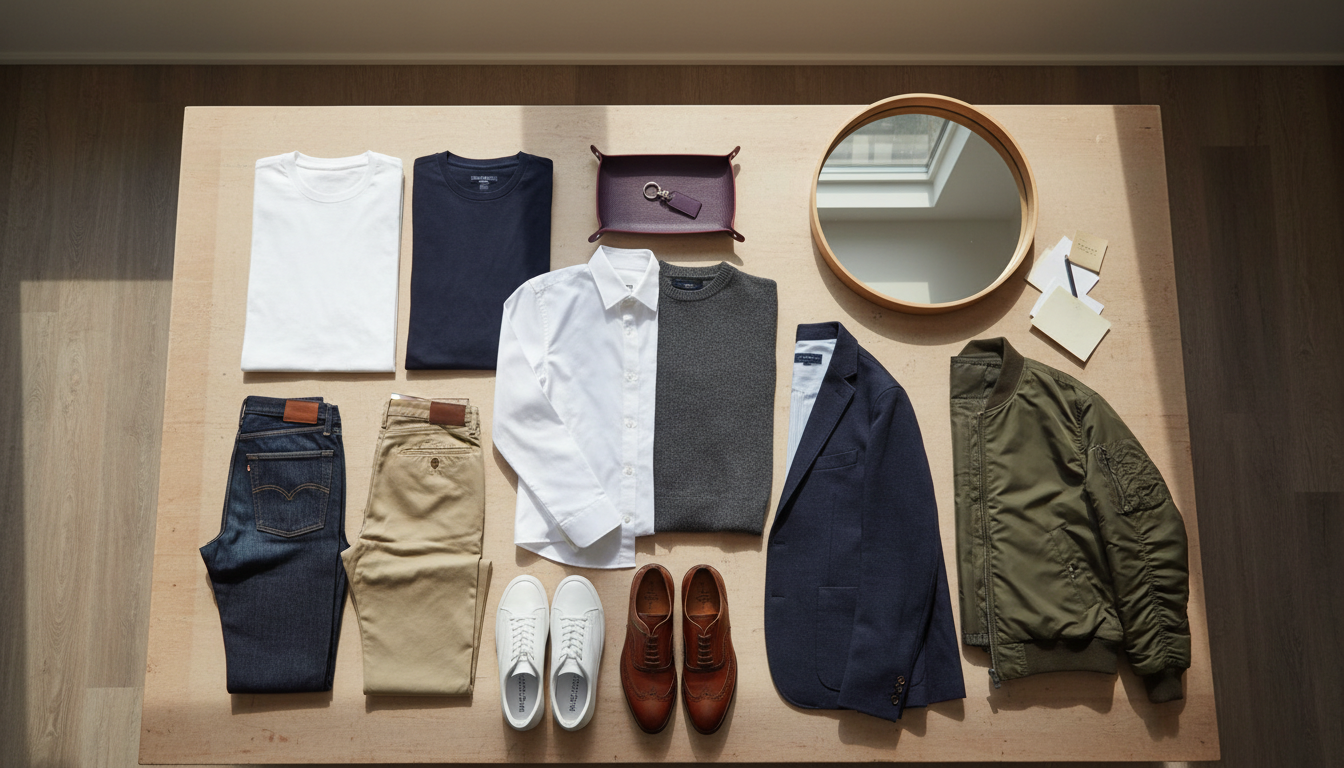
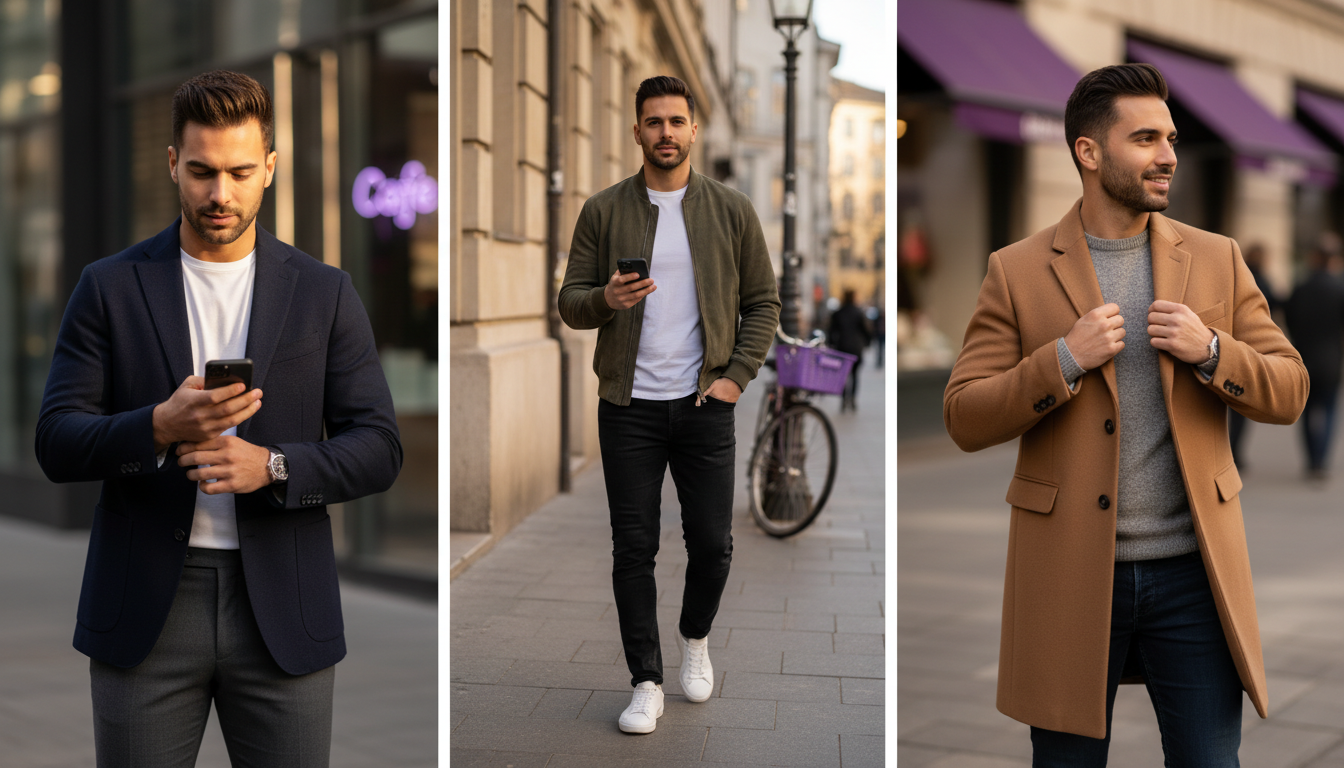
When I audit men’s wardrobes, jackets are usually where things start to wobble. There are duplicates of the wrong piece and gaps where the useful workhorses should be. To simplify, I treat jackets as three core categories: blazer, casual jacket, and outerwear. Once you understand what each one does, you stop impulse-buying and start building a deliberate system.
Here’s the framework I use:
- Blazer: adds structure, authority, and polish.
- Casual jacket (bomber, Harrington, trucker, denim): everyday personality and texture.
- Outerwear (overcoat, parka, technical shell): weather protection and proportion anchor.
If you have at least one strong option in each lane, most of your style problems quiet down. The blazer covers work, dates, and elevated dinners. Casual jackets cover commutes, weekends, and low-key nights out. Outerwear ties everything together when temps drop, so your outfits still look composed instead of bulky. Thinking in categories like this saves a lot of scrolling and second-guessing at checkout, because you instantly see which role a new jacket would actually play in your life.
Blazer Fit - Shoulders, length, sleeve, button stance
Blazer fit is where men either look quietly powerful or slightly off all day. I start with shoulders, because if they’re wrong, nothing else truly fixes it. The seam should sit right at the edge of your natural shoulder bone, not dipping down your arm and not creeping up toward your neck. If you see dents or divots at the top of the sleeve, the blazer is fighting your body shape.
Then I look at length. A modern blazer usually hits around mid-fly in front and covers about two-thirds of your seat in back. Too long and you look dated; too short and it reads like a shrunken suit jacket. Sleeves should show a sliver of shirt cuff—about 0.5–1 cm—when your arms rest naturally. If the sleeve is swallowing your hands, tailoring is non-negotiable.
Button stance matters more than people realize. On a two-button blazer, the top button should sit roughly at or just above your natural waist, not near your sternum. When you button it, you want a gentle, clean “V” shape without pulling lines across the front. My quick test: button the blazer, slip a flat hand between your chest and the fabric. If your hand barely fits, it’s too tight; if you can easily slide in a fist, it’s too loose. Getting these details right pays off every time you walk into a room, because you project clarity without trying.

Casual Jackets (Bomber, Harrington, Trucker) - Fit and styling for each
Casual jackets are where your style personality speaks the loudest, but they still need discipline. With bombers, I like a trim but not tight fit through the body, sitting right at or just below the belt. The hem and cuffs should hug lightly, not balloon. If the bomber puffs out like a life vest, size down or choose a cleaner fabric.
Harringtons are sharper by nature. I look for a straight, clean line down the torso with enough room for a lightweight knit or sweatshirt underneath. The collar should sit neatly when zipped or open, framing your neck instead of collapsing. Pair it with chinos, minimal sneakers, and a fine-gauge knit for a reliable smart-casual uniform.
Trucker jackets need the most care because they can skew juvenile or overly rugged. Aim for a tailored fit through the shoulders and chest, with the hem ending around your hip bone. You should be able to button it comfortably over a tee and a thin sweatshirt, but it shouldn’t float away from your body. I like to style truckers with darker denim or tailored trousers so the outfit feels intentional, not like construction gear. When these three styles fit cleanly, you get a high ROI: more outfit options from fewer pieces and fewer “this doesn’t feel like me” returns.
Denim Jackets - Sizing, layering, avoiding the Canadian tuxedo
Denim jackets are deceptively technical. Size too small and your movement is restricted; too large and you look like you borrowed one from an older cousin. I prefer a trim fit through the shoulders and upper arms, with just enough ease to cross your arms without straining the seams. The body should skim your torso without gaping when you sit.
For layering, I think in weight tiers. A classic mid-weight denim jacket should comfortably go over a tee or OCBD, and with the right cut, over a light hoodie or crewneck. If you want heavy winter layering, consider a slightly more relaxed trucker or a lined denim jacket so the extra bulk is intentional. The goal is to create a clean column from neck to shoe, not a stack of random volumes.
To avoid the accidental Canadian tuxedo, I look at contrast first. You can absolutely wear denim on denim, but vary at least one of these: wash, texture, or color depth. For example:
- Light-wash jacket with dark indigo or black jeans.
- Ecru or grey denim jacket with mid-blue jeans.
- Blue denim jacket with olive, stone, or charcoal chinos.
You want your top and bottom to feel related, not identical. When you get this right, a denim jacket becomes one of the highest-utility pieces in your wardrobe: it works spring through fall, dresses up or down, and takes almost no effort to style once you know your boundaries.
Outerwear (Overcoats, Parkas) - Proportions and layering
Outerwear is where proportion can either flatter your frame or bury it. With overcoats, I like the shoulder line to echo your best blazer: clean, smooth, and aligned with your natural shoulder bone. Length is strategic. A coat that hits just above the knee is often the most versatile, balancing protection with mobility and working over both tailoring and casual outfits.
When you plan to wear a coat over blazers or thick knits, you need to account for layering volume. I usually aim for 1–1.5 sizes of extra space compared to your blazer. That means you can comfortably slide the coat on without the sleeves bunching or the lapels twisting. If you feel trapped or see pulling when both layers are buttoned, it’s too slim for real life.
Parkas are more functional but still deserve intention. Look for a streamlined profile that narrows slightly at the waist and ends mid-thigh; anything much longer risks cutting your leg line. Hems with subtle drawstrings or internal cinching can help you fine-tune shape over different layers. Make sure the hood sits close enough to your head that it doesn’t block your peripheral vision. When your outerwear proportions are clean, mornings in colder months become simpler: you can throw a coat over almost any outfit and still look cohesive, instead of like you sacrificed style to the weather.
Layering Strategies - What to wear under each jacket type
Layering is where many men create unnecessary bulk or visual noise. I keep a simple ladder in mind: skin layer, mid layer, structure, then weather shield. Not every outfit needs all four, but thinking this way stops you from guessing. It also gives you a repeatable system so getting dressed feels more like following a recipe than reinventing the wheel.
Under blazers, I prefer:
- Thin tees, polos, or fine knits for casual settings.
- Oxford or poplin shirts for work.
- Lightweight merino or cashmere crews in cooler months.
You want fabrics that glide under the blazer and don’t compete at the shoulder seams. Under casual jackets, you can be more relaxed: heavier sweats, hoodies, or textured knits all work if the jacket has room. My rule: the inner layer can be slightly softer and looser, but the outer layer must stay structured enough to define your frame.
Outerwear sits on top of everything, so it should be the roomiest layer with the cleanest lines. For true winter, think: tee or thermal, knit, blazer or heavy shirt jacket, then coat. When each layer has a clear job and the volumes step up gradually, you stay warm, look put-together, and avoid that “I’m wearing five random things” feeling.

Formality Levels - Which jacket for which occasion
A clear formality map turns your jacket rail into a decision engine instead of a question mark. I mentally rank options from most casual to most formal and use that to match the situation. For everyday city life, you’ll mostly live in the middle: casual jackets and smart outerwear that flex up or down. Once that middle is strong, you stop overpacking and overbuying.
Here’s an easy spectrum:
- Very casual: hoodies, sporty bombers, denim truckers.
- Smart casual: suede bombers, Harringtons, clean denim, chore jackets.
- Business casual / sharp: structured blazers, wool overcoats.
- Formal: suit jackets, topcoats, dressier macs.
If you’re heading to a date or dinner, aim for that smart-casual zone: a suede bomber or Harrington over a knit instantly looks intentional without trying too hard. For offices with a relaxed dress code, an unstructured blazer or chore jacket can replace a traditional suit jacket but still signal professionalism. Events that explicitly mention “cocktail,” “business,” or “ceremony” call for a proper blazer or suit jacket with a refined overcoat. When your jacket choices are tied to clear scenarios like this, it eliminates last-minute panic and reduces those “panic purchases” that end up re-listed or returned.

Body Type Considerations - Jacket styles for different builds
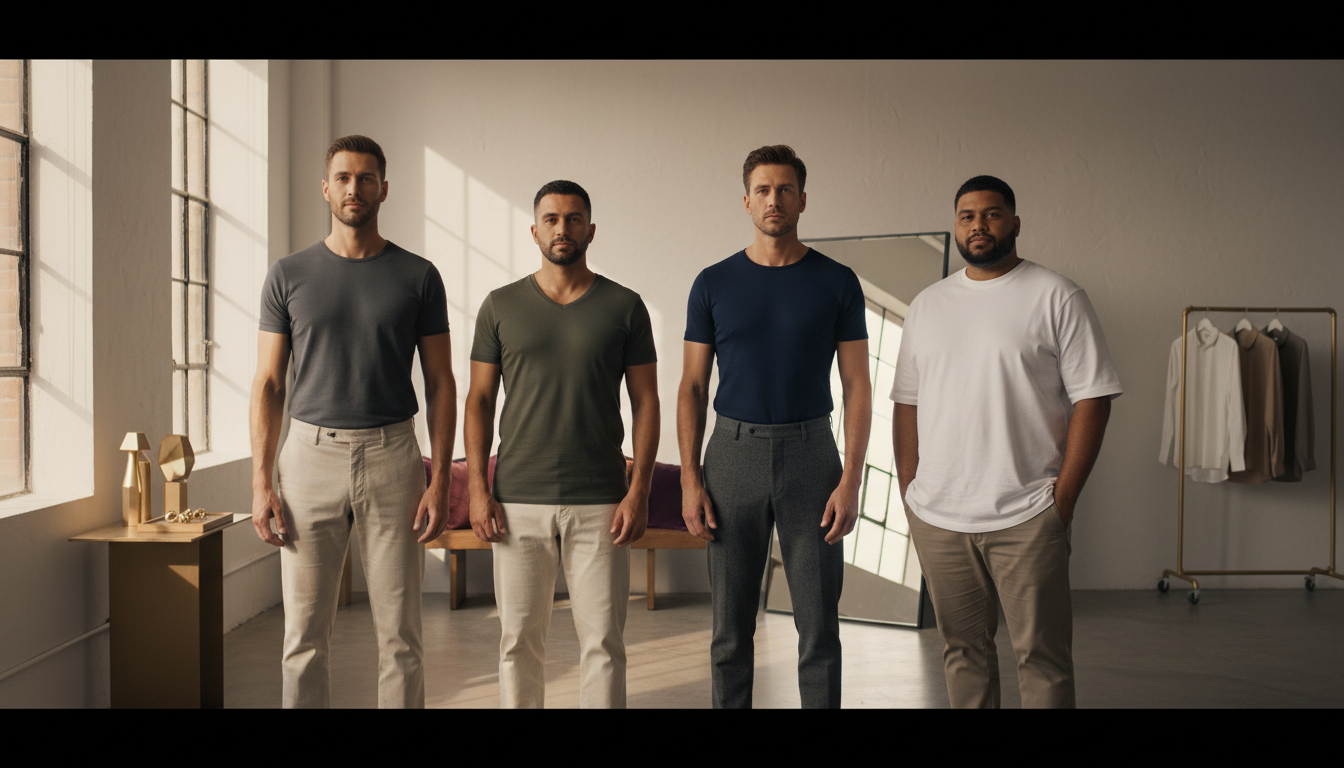
The same jacket looks completely different on different builds, so I never give advice without thinking about body type. If you have broader shoulders or a stronger chest, you already bring structure. You’ll usually look best in pieces that respect that line instead of exaggerating it: think slightly softer shoulders on blazers, less padding, and jackets that fall straight without flaring at the hips.
If you’re lean or narrow up top, a bit of architectural help is your friend. Light shoulder structure, slightly shorter lengths, and pockets placed higher on the chest all add presence. Bombers, cropped truckers, and unstructured blazers can visually widen your frame when the shoulder fits correctly. Avoid jackets that are too long or too loose in the body; they can make you look smaller than you are.
For men with more volume around the midsection, the trick is creating a consistent vertical line. Single-breasted blazers with two buttons, simple zip jackets, and overcoats that skim rather than cling are ideal. I avoid heavy chest pockets or horizontal seams around the stomach, which draw the eye exactly where you don’t want emphasis. Darker, matte fabrics help, but proportion is the real hero. When your jacket supports your frame instead of fighting it, every other item in your outfit works harder for you.
If you want your jacket choices to feel automatic instead of uncertain, I can translate these principles into clear, tailored rules for your body and your wardrobe within a few days of using Mira.
Dial in your jacket game for good
In under a week, I’ll help you lock in the right jacket fits, layers, and colors for your build and lifestyle so getting dressed feels fast and decisive.

Common Fit Mistakes - Too long, too short, shoulder issues
Most jacket mistakes fall into a few predictable patterns, which means they’re easy to spot once you know what to look for. The first is length. Too long and you look shorter and older; too short and the jacket can feel trendy in a way that dates quickly. I like you to see a balanced ratio in the mirror: upper body and lower body looking roughly even, not dominated by a long coat or chopped by a cropped hem.
Shoulder issues are next. If the seam extends down your arm, your whole frame looks droopy. If it’s sitting high and you see rippling or pulling near the sleeve head, the jacket is either too small or the shoulder shape doesn’t match yours. Both problems are hard to tailor, which is why I encourage you to prioritize shoulder fit when you’re shopping and leave “I’ll fix it later” for sleeves and waist suppression.
Sleeve length and overall tightness also show up again and again. Sleeves swallowing your hands make even an expensive jacket look borrowed; sleeves hovering above your wrist bone feel unpolished. Too much pulling across the front signals you sized down for slimness instead of balance. My quick in-store checklist:
- Shoulder seam at the edge of your bone, no dents.
- Hem length that doesn’t fully cover your seat (for casual jackets).
- Hands visible, with a touch of cuff in blazers.
Learning these cues once means every future purchase gets faster and smarter, and your return pile gets a lot smaller.

Dial in your jacket game for good
In under a week, I’ll help you lock in the right jacket fits, layers, and colors for your build and lifestyle so getting dressed feels fast and decisive.