How to Style Oversized Clothing Without Looking Shapeless
The Oversized Appeal - Comfort, trends, androgynous styling
Oversized pieces are popular for a reason: they feel honest. They give you room to move, they nod to streetwear and androgynous dressing, and they signal that you’re not chasing tight, restrictive silhouettes to feel attractive. When an oversized look is intentional, it reads as relaxed precision rather than “I just threw this on.” That shift is subtle, but you see it instantly in photos.
When I look at clients’ closets, the biggest pattern I see is this: oversized pieces they love emotionally, but rarely wear outside the house. The fear is always the same: “Will this make me look sloppy or bigger than I am?” The answer depends on proportion, not size on the label. If the volume is balanced, the look still honors your shape. If it isn’t, the garment wears you.
Think of oversized styling as trading body-con for presence. You’re not hiding your body; you’re reframing it. Strong shoulders, an extended sleeve, or a roomy leg can add quiet drama when the rest of the outfit is clean. Once you understand how to control that volume, your most comfortable pieces become your most polished, and you stop wasting money on “almost right” relaxed items that never quite land.
The One-Piece Rule - Only one oversized item per outfit
When you’re learning how to wear oversized clothes, I want you to follow one simple constraint: one oversized piece per outfit. Treat it like a training wheel for proportion. If your top is slouchy, keep your bottoms sharper. If your jeans are wide and long, anchor them with something more fitted up top. This alone cleans up 80% of the “I feel swallowed” complaints I hear.
Here’s how I apply it:
- Oversized top → slim or straight-leg bottom that still shows some shape
- Oversized bottom → fitted tee, tank, or neat knit
- Oversized outer layer → streamlined base column underneath
This rule is so effective because it forces contrast. Your eye needs somewhere to land: a visible waist, a defined shoulder, or a clean ankle. When everything is big, the body disappears and the outfit starts to look like borrowed clothing. When one element is big and the others are calm, the volume feels deliberate. Over time, you can bend this rule, but starting here will save you a lot of dressing-room frustration and reduce those “return pile” orders where both the top and bottom were unintentionally huge.

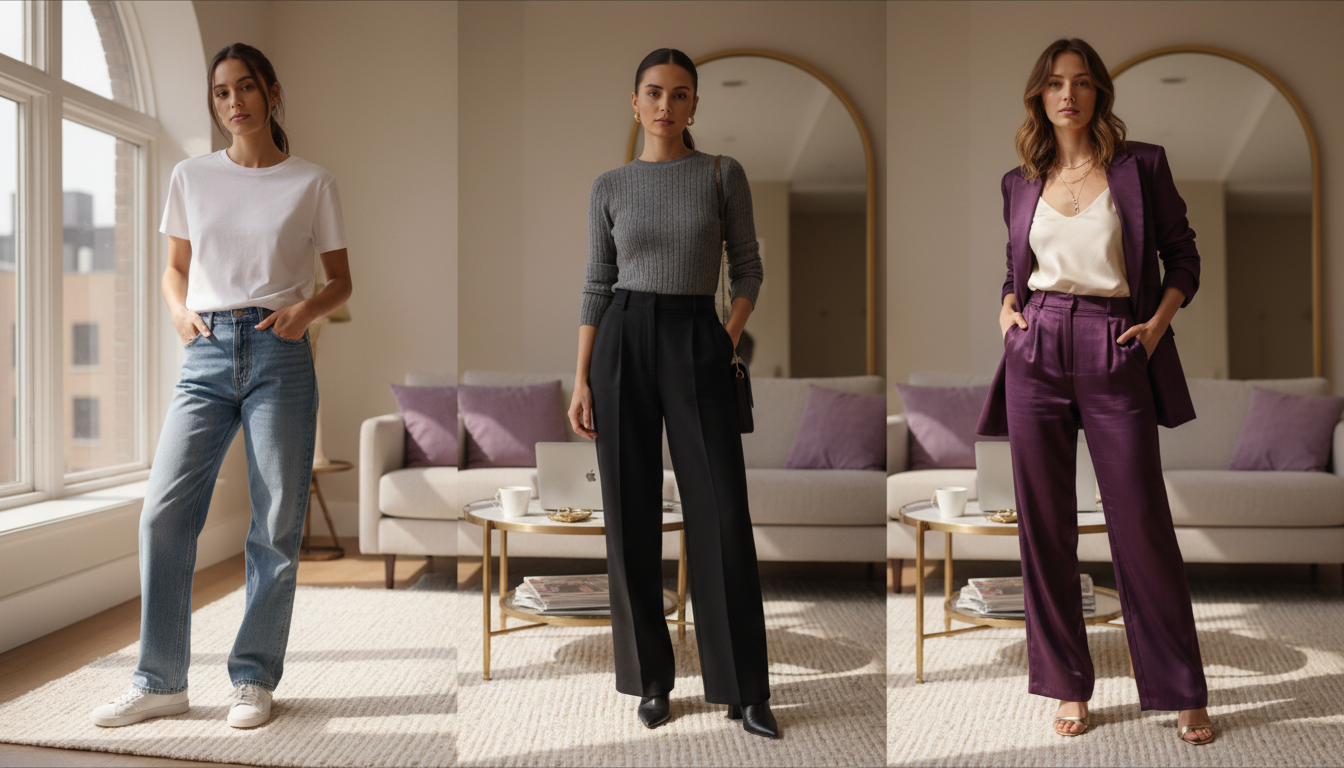
Limiting yourself to one oversized piece per outfit keeps volume feeling intentional and balanced on any frame.
Creating Definition - Belts, tucking, layering, strategic cuffing
Oversized pieces work best when there’s at least one point of definition. I’m always asking: where do we show that there’s a body under here? It doesn’t need to be a tight fit; it can be as subtle as a glimpse of waistband or a sharpened wrist. The goal is to create small anchors of structure inside all that volume.
Think in terms of four tools:
- Belts: cinch at your natural waist or just above the hip to break up long lines.
- Tucking: even a loose front tuck shows the waistband and visually lifts the whole look.
- Layering: a structured blazer or tailored coat over a roomy tee instantly adds polish.
- Cuffing: exposing the wrist or ankle stops fabric from pooling and looking heavy.
I like to choose one or two of these per outfit, not all four. For example, an oversized shirt lightly tucked into straight jeans with the sleeves rolled twice already looks considered. Add a belt if you want more waist, or skip it if your denim is already structured. When you get comfortable using these tools, your “too big” pieces stop feeling risky. You’ll buy fewer backups “just in case” and return less, because you know you can adjust shape after the fact instead of relying on perfect tailoring out of the box.

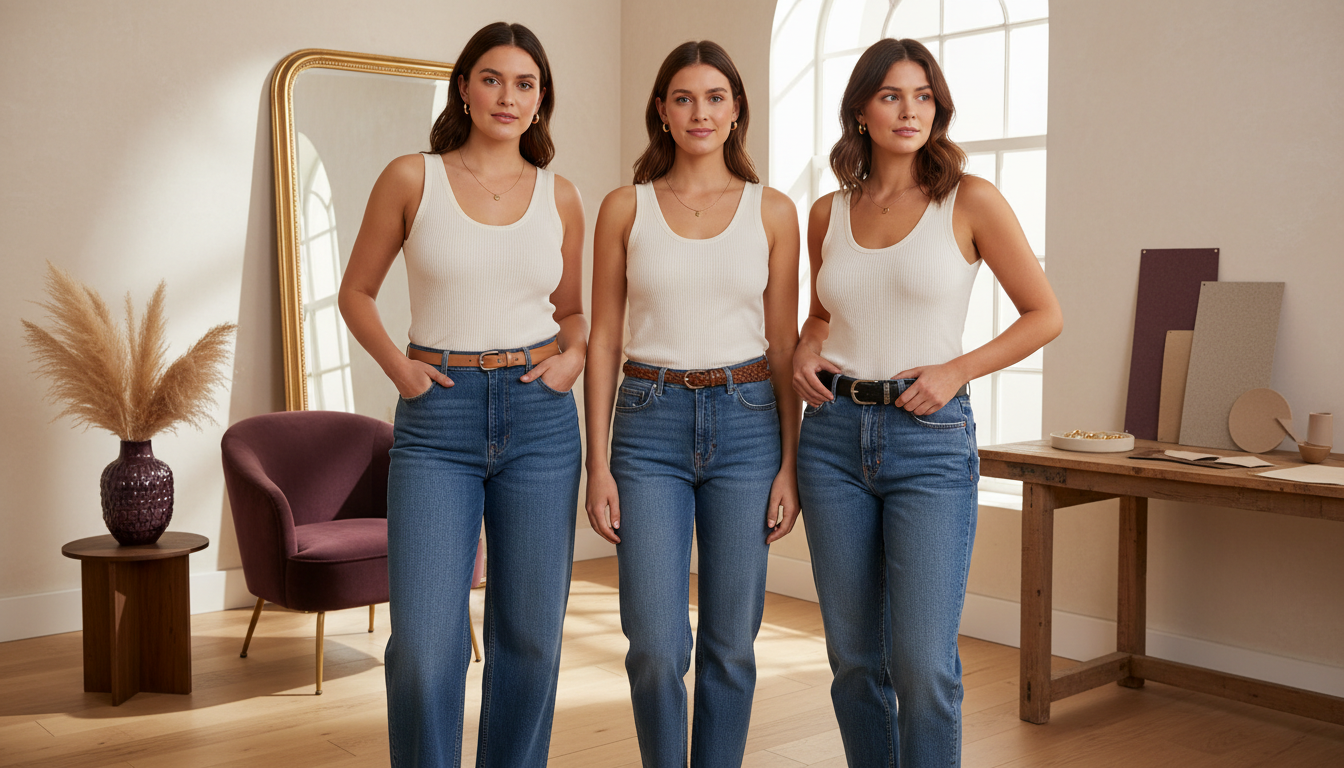
A clean half-tuck, a slim belt, and sharp cuffs turn a loose shirt into a defined, intentional silhouette.
The Half-Tuck - When and how to use it effectively
The half-tuck looks casual, but it’s a very precise tool. Used well, it keeps an oversized top looking effortless while still revealing enough shape. Used badly, it can just look messy or accidental. I think about three questions: where is the bulk of the fabric, where do I want the eye to land, and what rise am I working with?
Here’s a simple framework I use:
- Front half-tuck with mid or high-rise bottoms to show the waistband and subtly shorten the torso.
- Side half-tuck when you want asymmetry and a little movement, especially with softer fabrics.
- No half-tuck with very cropped or very sheer tops; those already show enough structure.
To execute it cleanly, tuck in just the central 2–3 inches of fabric, then gently pull a bit back out so it blouses over the waistband. The sides should fall smoothly, not bunch into the tuck. With very long shirts, I’ll fold the hem under once before tucking to avoid a bulky knot. Once you get this right, it becomes a two-second move that transforms baggy into intentional, and it makes outfit photos and mirror checks much faster because your proportions are instantly clearer.
Proportion Play - Pairing oversized tops with fitted bottoms and vice versa
Proportion is the backbone of styling baggy clothes. Any time you add volume in one place, I want you to subtract it somewhere else. This push-pull keeps the silhouette dynamic instead of boxy. Think in vertical thirds: shoulders to waist, waist to knees, knees to feet. At least one of those zones needs to be more streamlined.
Some reliable pairings I use constantly:
- Oversized sweatshirt + slim straight or skinny jeans + visible ankle
- Relaxed button-down + tailored shorts or mini skirt
- Wide-leg trousers + fitted tank or body-skimming knit
- Oversized blazer + narrow-leg denim or cigarette pants
I also pay attention to length. A very long oversized top over long wide pants hides the leg line entirely; for most people, that shortens the body. If you love that drama, balance it with a heeled boot and a sharp shoulder so there’s still structure. Most days, though, shortening one element (cropped jacket, ankle-length pant, or tucked hem) creates a cleaner column. When you start seeing outfits in terms of volume trade-offs, shopping becomes faster: you’ll know instantly what each new piece needs around it to work.

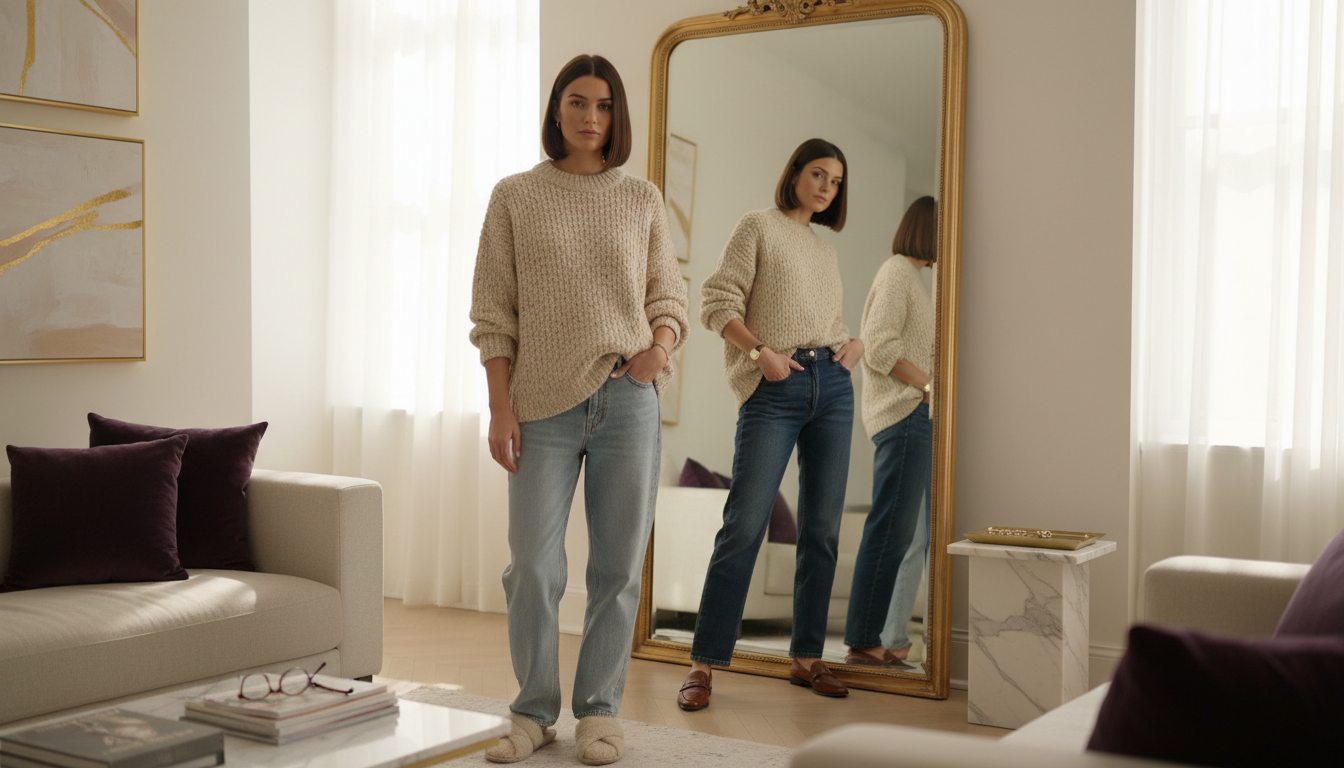
Playing volume against clean lines—oversized on top or bottom, never everywhere at once—keeps proportions flattering.
Footwear Matters - Avoiding the “drowning” effect
Shoes can make or break an oversized outfit. With extra fabric around your legs or hemlines, the wrong shoe can make you look like you’re sinking into the ground. I’m always looking at the bottom third of the body: do your shoes visually “hold” the volume above them, or disappear under it? The more fabric, the more presence your footwear usually needs.
Here’s how I simplify decisions:
- Wide-leg or pooled pants: choose a shoe with some height and structure (block heel, substantial sneaker, sleek boot).
- Cropped relaxed denim: show a bit of ankle with a clean sneaker, loafer, or low heel.
- Oversized sweatshirt or hoodie dresses: pair with chunkier sneakers or boots to balance the top.
Avoid very dainty shoes under very baggy pieces; the contrast can look accidental rather than intentional. If you love a delicate flat, give it space by exposing more leg or choosing a less voluminous bottom. This thinking saves you time in the morning: once you know which shoe families work with which silhouettes, you stop trying on three or four pairs just to leave the house. And when you’re online shopping, you can mentally test a piece against your existing shoes and skip items that will require an entirely new footwear category to function.
Fabric Choice - Structure vs drape in oversized pieces
Not all oversized fabrics behave the same way. Structure adds presence; drape adds softness. When a client tells me they “feel huge” in an oversized item, the issue is often the fabric, not the size. Stiff, thick materials hold their shape and can create strong lines, while fluid fabrics collapse and follow the body more.
Here’s how I think about it:
- Structured fabrics (denim, twill, crisp cotton, tailored wool) are ideal for oversized blazers, shirts, and jeans because they create architecture.
- Drapey fabrics (rayon blends, silk, lightweight knits) are better for oversized pieces that need movement, like shirts worn untucked or relaxed dresses.
- Super thick knits need extra care; they add bulk fast, so I pair them with slimmer bottoms and clear waist definition.
If you’re petite or curvy, structure can be your best friend in oversized silhouettes because it frames your shape rather than swallowing it. If you’re tall, you can usually carry drapier volume more easily, but even then, a bit of firmness keeps things from veering into loungewear. When you’re shopping online, scan product photos for how the fabric falls at the shoulder and hem. That tiny bit of analysis before you click “buy” drastically reduces returns and gives you pieces that behave predictably once they’re on your body.
For Different Body Types - Oversized styling for petite, tall, curvy
Body type changes how oversized pieces read, but the goal is the same: balance, not hiding. When I style petites, the priority is avoiding overwhelm. I look for cropped or mid-length oversized tops, higher rises, and visible ankles to keep the frame elongated. Anything puddling excessively at the sleeves or hems usually needs a cuff, roll, or tailor.
For petites, I lean on:
- Mid to high-rise bottoms with tucked or half-tucked tops
- Cropped jackets and knits that hit near the hip bone
- Shoes that extend the leg line (low-contrast sneakers, sleek boots, or a subtle heel)
For tall bodies, the challenge is often the opposite: pieces that are meant to be oversized sometimes look just slightly too big instead of intentionally voluminous. I’ll push volume a bit further with longer lines and bolder shapes so it feels like a choice, not a sizing issue. Curvy clients often worry oversized means “bigger,” but the right cut can actually make the body look more proportionate. I like structured shoulders, defined waists (even loosely defined), and fabrics with some weight so they skim instead of cling. When you understand your specific needs, you stop chasing every oversized trend and start selecting the versions that respect your frame, which is where confidence and fewer return labels really begin.

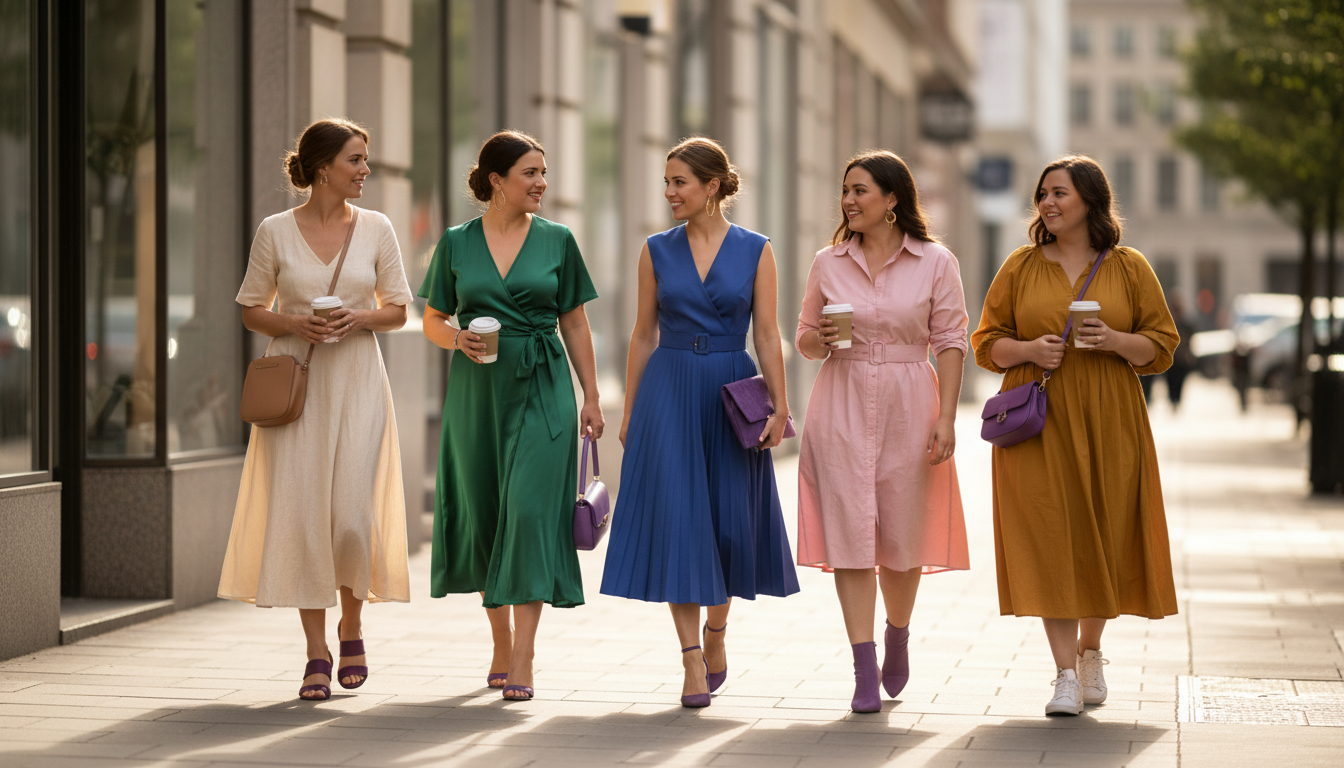
The right cut, length, and styling details let oversized pieces support your frame instead of hiding it—no matter your height or curves.
If you want this level of clarity on every outfit, I can sit in your pocket and quietly correct proportions until balance becomes automatic for you.
Get your proportions right in seconds
In just a few days of using Mira, your oversized outfits start clicking into place—clear guidance on when to tuck, belt, or swap so mornings feel calm and intentional.

Outfit Formulas - 5 oversized looks that maintain shape
Let me give you five formulas you can plug straight into your wardrobe. Use them as templates, then swap in your own colors and textures. Each one respects the one-piece rule, builds in definition, and keeps you from feeling lost in fabric.
Try these:
- Oversized crewneck sweater + straight-leg ankle jeans + structured ankle boots + half-tuck and a watch showing at the wrist.
- Relaxed white button-down + tailored black shorts + loafers or low-heeled sandals + sleeves rolled twice and shirt front tucked.
- Wide-leg tailored trousers + fitted ribbed tank + sleek sneakers or block-heel sandals + optional belt to emphasize waist.
- Oversized blazer + slim black denim + simple tee + loafer or boot with some weight, tee tucked to reveal the waistband.
- Hoodie or oversized sweatshirt + bike shorts or fitted leggings + chunky sneakers + visible socks for a clean break at the ankle.
These looks work because each has a clear focal point, controlled volume, and multiple small anchors of structure. Start with one formula for your workdays and one for weekends so you’re not rebuilding outfits from zero every morning. Once you see how these behave in the mirror and in photos, you can branch into bolder combinations with a lot more confidence and far fewer “panic changes” before you head out.
Get your proportions right in seconds
In just a few days of using Mira, your oversized outfits start clicking into place—clear guidance on when to tuck, belt, or swap so mornings feel calm and intentional.