Styling Wide-Leg Pants: The Do's and Don'ts
The Wide-Leg Renaissance - Why they’re back and how to wear them now
Wide-leg pants are back because they solve a problem skinnies never could: they look polished without clinging to every contour of your body. They read modern, comfortable, and expensive when styled well, which is why you see them everywhere from creative offices to subway commutes. The challenge is that wide volume magnifies any styling mistake, so the difference between “effortlessly cool” and “swallowed by fabric” is all in the details. When you understand proportion, rise, and fabric, wide-legs become one of the easiest shapes in your closet.
When I look at clients’ photos, the same patterns repeat: great pants, but the wrong top length, the wrong shoe, or a hem that’s fighting the body rather than supporting it. Instead of thinking, “Are wide-leg pants flattering on me?” I want you to ask, “What do I need to balance for my frame?” A wide leg works like a canvas. You control the visual story with:
- Where the waistline hits
- How much structure you have on top
- Where the hem ends in relation to your shoe and floor
Once those three pieces lock into place, your wide-leg pants outfit stops feeling like a trend experiment and starts feeling like a signature uniform. That’s where you save real time and reduce returns: you know exactly which cuts, rises, and lengths earn a permanent spot in your wardrobe.
DO: Balance Proportions - Fitted top, defined waist, strategic tucking
Wide-leg pants add volume from hip to hem, so your job is to bring definition back to your waist and upper body. When everything is loose, your shape disappears and the outfit feels heavy. I like to think in contrasts: if the leg is wide and relaxed, the top should be more fitted, cropped, or at least controlled through tucking or cinching. You are not trying to show every curve; you are simply giving the eye a clear anchor point.
Here’s the framework I use with clients:
- Choose a top that hits at or above the hip bone, or be ready to tuck.
- If the top is looser, add a half-tuck or full tuck to reveal the waistband.
- Use a visible waistband detail (button, pleats, belt) as your visual “center.”
For work, I often pair wide-leg trousers with a body-skimming knit or a slim button-up tucked cleanly into the waistband. For casual days, a slightly boxy tee becomes flattering the second you tuck the front and push up the sleeves. The result is the same: your waist reads as intentional and the volume in the legs feels like a design choice, not an accident. Balancing proportions this way means you can repeat the formula across different colors and fabrics, instead of starting from zero every morning.

Balanced proportions turn wide-leg pants into a sleek column, while unchecked volume can swallow your frame.
DO: Choose the Right Rise - High-waisted for most body types
Rise is the unsung hero of styling wide leg trousers. A high or at least mid-high rise is the most forgiving on most bodies because it visually lengthens the legs and gives you space to define the waist. Low-rise wide-legs are advanced; they can work, but only when the top and proportions are handled with precision. If you’ve tried wide-leg pants and felt “short” or “boxy,” odds are the rise was part of the issue.
Here’s how I decide:
- Short or regular torso: Aim for a true high rise that hits around your natural waist, but avoid ultra-high if it sits right under your bust.
- Long torso: You can do a high rise or a mid-rise; just ensure the waistband still creates a clear midpoint between shoulders and feet.
- Curvier midsection: A structured high rise with a smooth front panel is usually more comfortable and flattering than a flimsy elastic waist.
When the rise is right, tops tuck more cleanly, belts sit comfortably, and the leg line reads uninterrupted and sleek. That translates into better cost-per-wear because the pants hold their shape through different outfits, not just a single “safe” combo. I always recommend trying at least two rises in the fitting room or at home, then taking mirror photos to compare. You’ll see instantly which one gives you that elongated, confident stance.
DO: Consider Hem Length - Where pants should hit based on height
Hem length is where most wide-leg pants outfits fall apart, even when everything else is strong. Too short and the leg looks chopped; too long and the fabric pools, making you look weighed down and making the pants look cheaper. I always start by deciding what shoes you’ll realistically wear most with the pants, then tailoring the hem around that height. One pair of trousers cannot perfectly serve every shoe in your closet, and accepting that actually saves you money in alterations and returns.
As a guideline:
- For full-length wide-legs with heels or platforms, aim for the hem to graze the top of the shoe, almost skimming the floor.
- With flats or low heels, let the hem hit just above the ground so the toe of the shoe peeks out clearly.
- Cropped wide-legs should end somewhere between the ankle bone and the top of the foot, not mid-calf.
If you’re petite, that near-floor length with a slight break over the shoe will quietly stretch your leg line. If you’re tall, the same rule keeps the silhouette long and deliberate instead of “accidentally too short.” I always recommend doing a try-on session at home with the exact shoes you plan to wear and taking a quick video walking. The right hem length moves with you; it doesn’t fight the motion of your stride.

Match your hem to your go-to shoe height so wide-leg pants skim, not puddle.
DO: Mind Your Footwear - Heels, platforms, or pointed flats
Shoes can make or break how to wear wide leg pants well. Because the leg opening is wide, you need footwear that either adds height, adds structure, or extends your leg line visually. When I’m looking at outfits, the most common issue is a heavy, rounded shoe that disappears under the fabric and shortens the frame. Picking the right shoe style instantly sharpens the whole look without changing the clothing.
My go-to options:
- Block heels or sleek stilettos: Ideal for work or evening; they lift the leg line and keep the fabric from collapsing at the hem.
- Platforms or flatform sandals: Great for casual looks when you want comfort and height together.
- Pointed or almond-toe flats: These extend the line of your foot, especially when the vamp is low and a bit of the top of your foot shows.
Chunky sneakers can absolutely work, but choose pairs with a cleaner side profile and some lift, then match the hem so the sneaker peeks out rather than vanishing. If you’re wearing loafers, a slim, slightly elongated toe reads more refined with wide-legs than a short, square shape. When you pair the right shoe with the right hem, your wide leg pants outfit stops feeling “bulky at the bottom” and starts feeling tailored and intentional.
DON’T: Go Oversized Everywhere - Avoid shapeless top-to-bottom
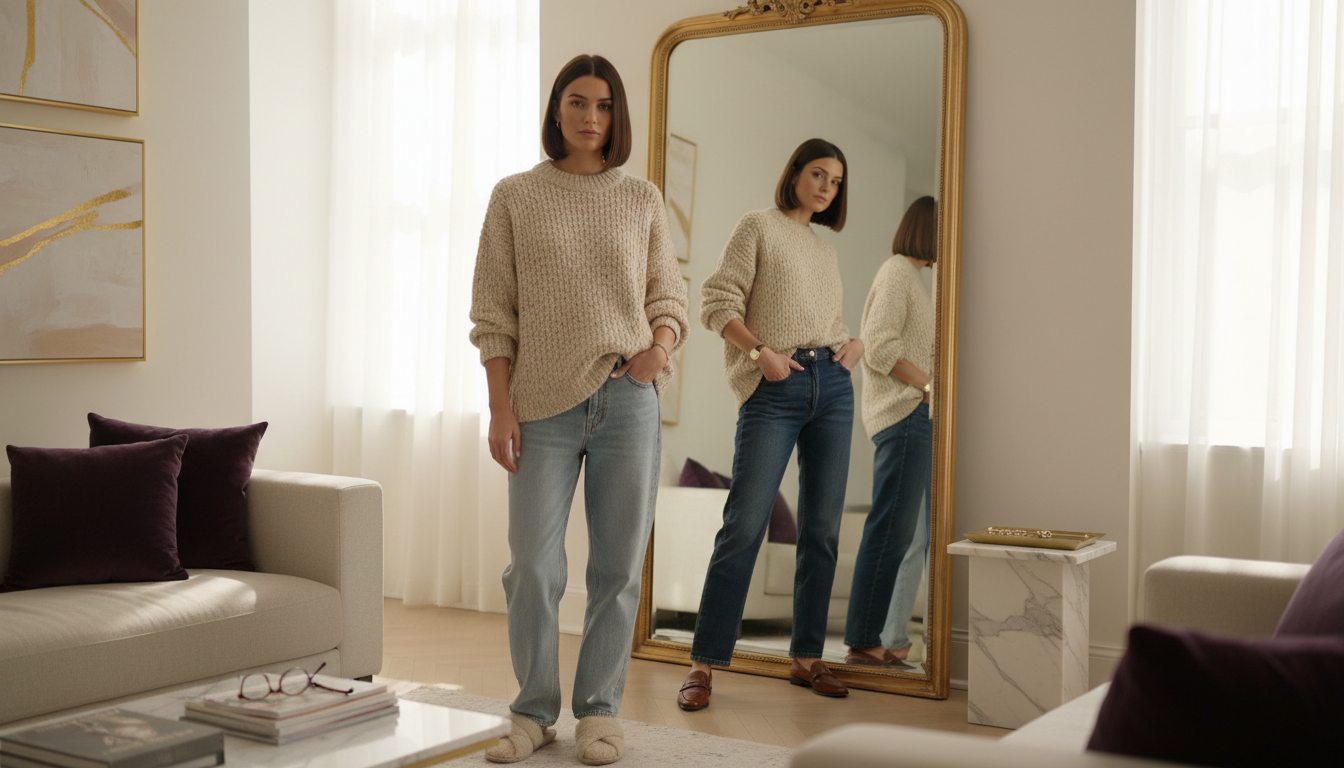
Head-to-toe volume looks incredible on runways and editorials, but in real life it’s a styling trap for most people. When you put a slouchy sweater over ultra-wide trousers and skip any definition, you end up with a silhouette that hides your frame and blurs your presence. I see this a lot in mirror selfies: the person looks smaller and less confident than they actually are, even if each separate piece is beautiful. The fix isn’t to abandon wide-legs; it’s to control where the volume lives.
Here’s how I adjust oversized pieces:
- If your pants are wide, choose a top that’s either cropped, tucked, or slightly fitted through the waist or bust.
- If your sweater is oversized, do a front-tuck and push up the sleeves to reveal wrists and some waistline.
- Add structure with a sharper shoulder, a neat collar, or a tailored jacket layered over a softer base.
You can still play with an easy, relaxed vibe, but I want at least one area of your body to be clearly defined: waist, shoulders, or wrists. This keeps the eye moving vertically instead of getting lost in fabric. When that happens, you look taller, more intentional, and more like yourself. Oversized everywhere might feel “safe,” but in photos and in motion it often does the opposite of what you want.
DON’T: Forget Undergarments - VPL and underwear lines show
Wide-leg pants might feel forgiving, but they are not a free pass on undergarments. Light fabrics, lighter colors, and any kind of drapey material will reveal texture underneath when you sit, walk, or stand in natural light. Visible panty lines and seams break up the clean column we’re trying to create with the leg. I always think of undergarments as part of the tailoring, not an afterthought.
Here’s what I look for with clients:
- Seamless underwear in a cut that matches your pant rise (high-rise briefs with high-rise pants, etc.).
- Nude-to-you shades instead of white under light colors; white often shows more.
- Smooth fabrics without lace or thick elastics where the pant skims closely across the seat.
If the pants are unlined and slightly clingy, consider a thin slip short to create one smooth layer beneath. It makes the fabric fall more cleanly and extends the life of the garment by reducing friction. Getting this right means you stop fidgeting and checking your reflection for lines, which frees up attention for your day rather than your outfit. That kind of quiet confidence is the real payoff of good styling.
DON’T: Ignore Fabric - Weight and drape matter for silhouette
Fabric is the difference between wide-leg pants that feel elegant and ones that feel sloppy. A stiff, cheap-feeling fabric will hold creases in all the wrong places, creating boxy corners at the hip or knee. On the other hand, something too flimsy can cling to the body and collapse instead of falling in a smooth line. When I evaluate a pair, I’m looking at how the fabric behaves when you move, not just how it looks on the hanger.
Think about fabric in three categories:
- Structured but fluid: Wool blends, heavier crepe, high-quality twills. These hold shape while still gliding over the body.
- Soft and drapey: Tencel, viscose, fluid linen blends. Great for relaxed looks, but they need good fit and undergarments.
- Very stiff or very thin: These are high-risk; they magnify fit issues and often read cheaper in person.
Run a simple test: pinch the fabric at the thigh and release. Does it fall back into a clean vertical line, or does it tent out awkwardly? Then walk a few steps and watch how it moves; you want a subtle, controlled swing, not cling or chaos. Choosing the right fabric weight means your wide leg pants outfit photographs better, wrinkles less through the day, and feels more expensive than it probably cost.

Fabric weight and drape decide whether wide-leg pants look sculpted and sleek or boxy and stiff.
Body-Specific Tips - Wide-leg pants for petite, tall, curvy frames
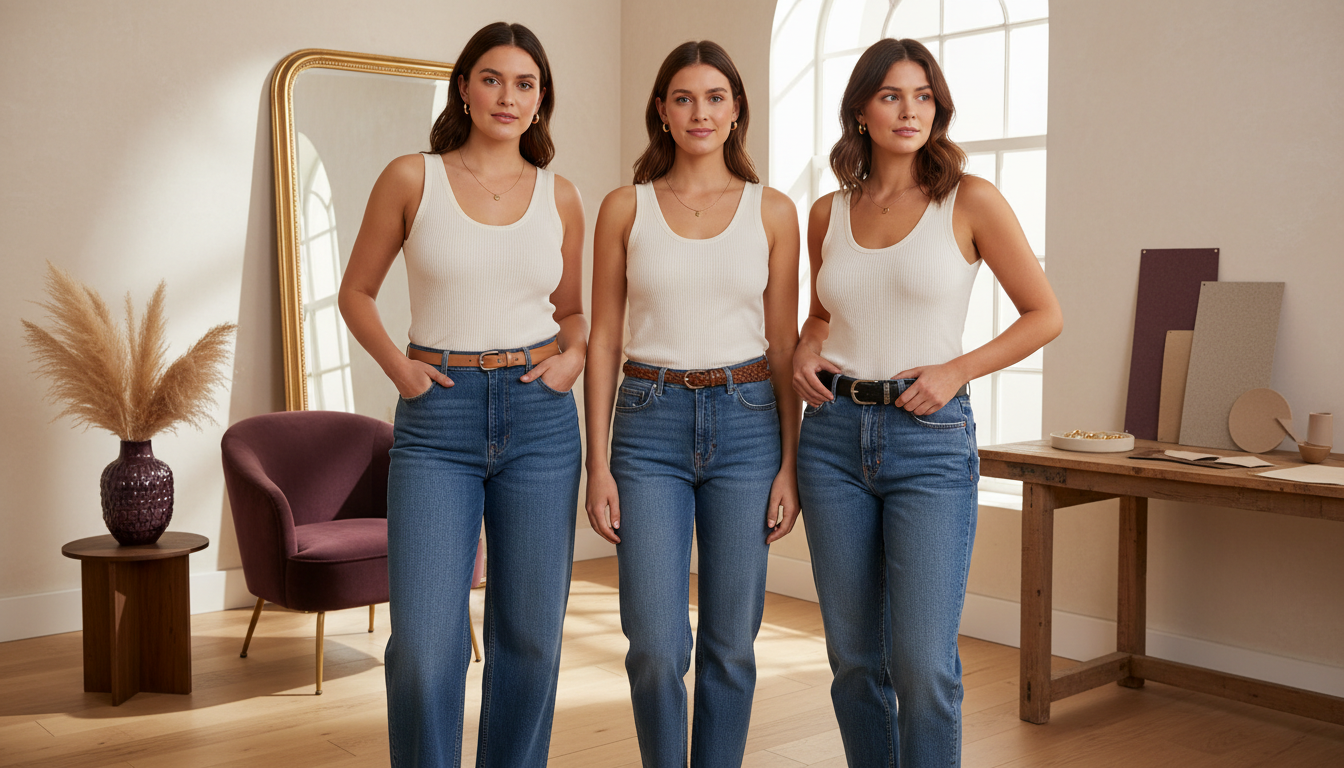
Body-specific tweaks are where wide-leg pants stop being theoretical and start working for you. Petite, tall, and curvy bodies can all wear wide-legs beautifully, but the details shift slightly. When I work with different frames, I’m adjusting leg width, rise, and styling choices to support their natural lines instead of fighting them. You don’t need a different rulebook, just sharper filters.
For petites:
- Prioritize high-rise cuts with a leg that is wide, but not extreme.
- Keep hemlines long and nearly floor-grazing with a bit of heel or platform.
- Use cropped or neatly tucked tops to avoid cutting your body in half.
For taller frames:
- Embrace a full-length puddle or almost-puddle hem with heels or chunky flats.
- You can handle a slightly wider leg; just ensure the waistband still defines the waist.
- Mix in mid-rise styles if you have a long torso and want more balance.
For curvier bodies:
- Look for a contoured waistband and darts or seaming that shape the back.
- Choose fabrics with enough weight to skim over curves without clinging.
- Consider a subtle front pleat; it can create room at the hip without adding bulk.
When you filter wide-leg options through your height and shape like this, shopping becomes faster and far less emotional. You skip the cuts that will never love you back and invest in silhouettes that support your body and your life.

Small tweaks in rise, width, and hem length let wide-leg pants work beautifully across different body types.
If you want these wide-leg rules to translate into fast, confident outfits instead of trial-and-error mornings, let me sit in your pocket and refine the details for you in real time.
Get wide-leg outfits right in seconds
Upload a quick mirror photo or product page to Mira and get tailored wide-leg styling feedback within seconds, so outfits feel intentional instead of experimental.

Outfit Formulas - 5 foolproof wide-leg pant outfits
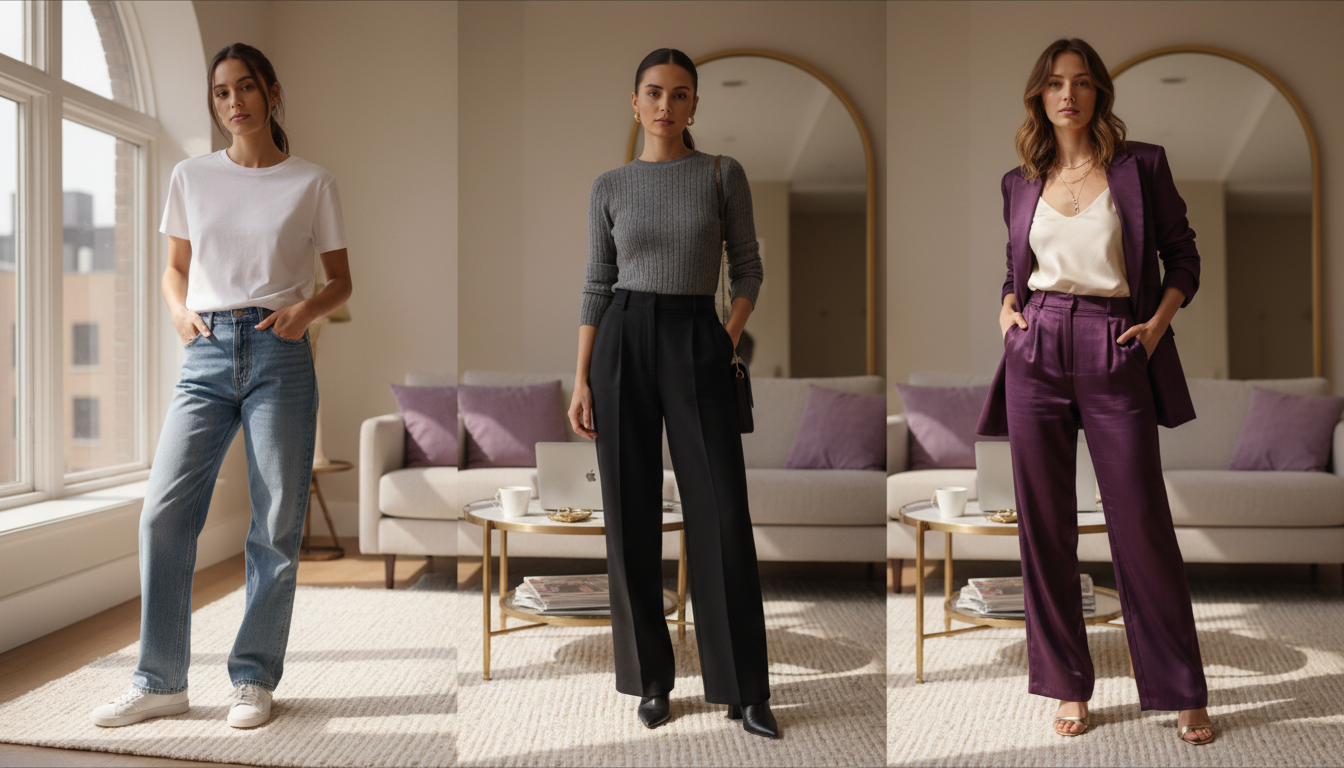
Once you understand the principles, you need plug-and-play wide leg pants outfits you can rely on when you’re half-awake. I like to build a few formulas that hit different parts of your week: commute, meetings, weekends, evenings. These are not rigid rules; they’re starting points you can repeat with different colors, shoes, and accessories. The goal is to cut your decision time dramatically while keeping your style sharp.
Here are five proven combinations:
- Casual coffee run: Soft knit tee (tucked) + high-rise light-wash wide-leg jeans + clean white sneakers + small crossbody. Push up the sleeves and add simple studs.
- Office polish: Structured high-rise black trousers + fine knit or slim button-down tucked in + block-heel ankle boots. Add a minimal belt and a sharp blazer if needed.
- Creative day: Cropped cardigan or fitted tank + mid-tone wool wide-legs + loafers with a slightly elongated toe. Layer delicate necklaces for interest.
- Evening out: Satin or crepe wide-legs + silky camisole tucked in + tailored blazer on top + heeled sandals. Keep the color palette tight for a more expensive feel.
- Travel uniform: Pull-on wide-leg knit or ponte pants + fitted tee + lightweight cropped jacket + sleek trainers. Choose wrinkle-resistant fabrics so you look pulled together on arrival.
Save photos of yourself in each winning combination on your phone. On busy mornings or trips, you can scroll once, copy a formula, and know it works before you even get dressed. That’s the real power of learning how to wear wide leg pants well: fewer guesses, more reliable confidence.
Get wide-leg outfits right in seconds
Upload a quick mirror photo or product page to Mira and get tailored wide-leg styling feedback within seconds, so outfits feel intentional instead of experimental.