
The Only 10 Colors You Need in Your Wardrobe (Based on Your Undertone)
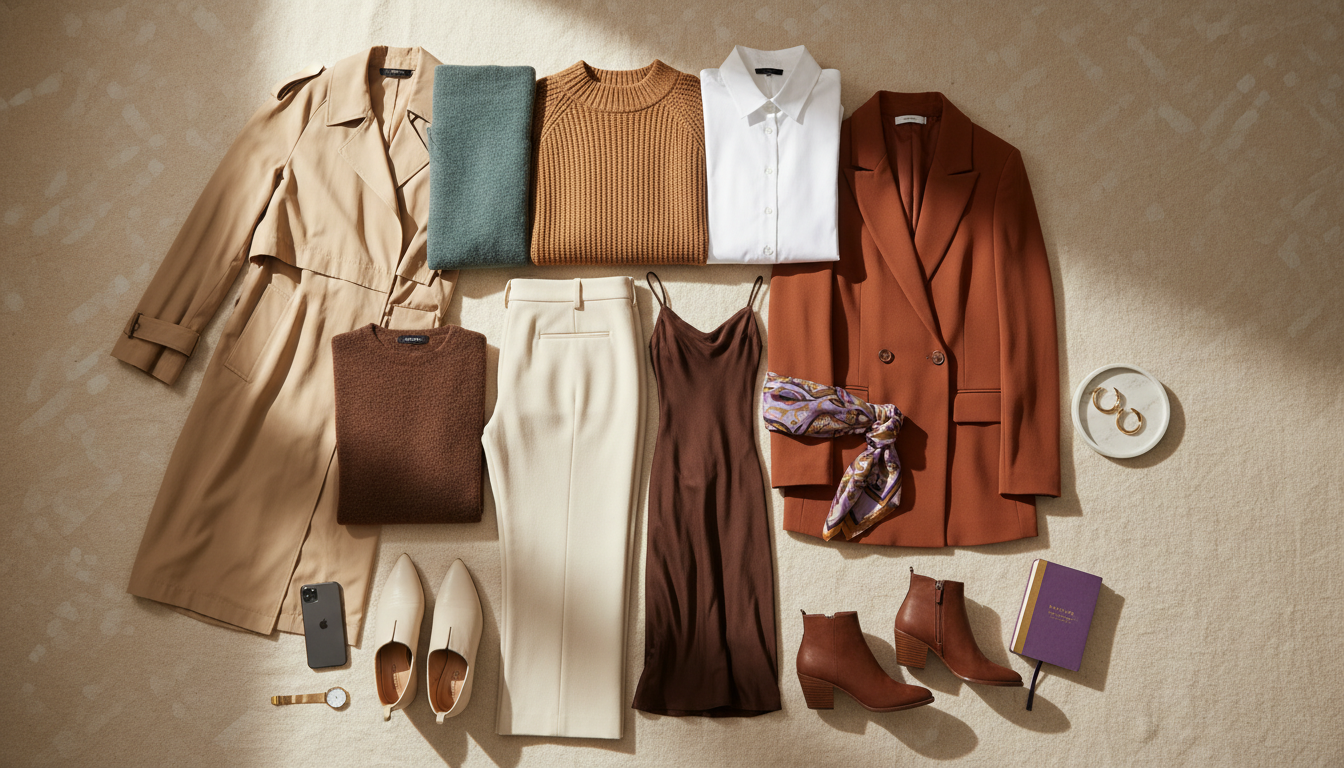
Less Is More - Why limiting your color palette actually expands outfit options
When I audit closets, the pattern is almost always the same: lots of color, very little cohesion. You might own pieces you love individually, but they refuse to cooperate in the morning. The result is that familiar feeling of “nothing to wear” while standing in front of a full rail. The fix is not more options; it is better constraints.
When you limit your wardrobe colors, you instantly increase outfit flexibility. Every top starts to work with every bottom, and layering becomes simpler instead of stressful. The visual noise drops, so your outfits look more refined with less effort. A smaller, well-edited palette also keeps your personal style clear; you stop shape-shifting depending on the last haul you scrolled.
I think of color like a language. When you speak five languages at once, the message gets lost. When you commit to one, your outfits feel intentional, not random. This is especially powerful if you shop online often, because you can filter impulse buys against a defined palette. Fewer near-miss colors in your cart means fewer returns, less guilt, and far more wear per piece.
The Framework - 3 neutrals, 4 core colors, 3 accent colors
To keep color simple, I use a strict 10-color structure: 3 neutrals, 4 core colors, 3 accents. It works whether your style is minimalist, playful, or somewhere in between. Once you lock this in, every future purchase has to justify its place inside that framework. That is how you get a capsule wardrobe that actually functions, not just photographs well.
Here is how I break it down:
- Neutrals (3): Your base building blocks for pants, outerwear, shoes, and bags.
- Core colors (4): Everyday shades that flatter your skin tone and appear most in tops and dresses.
- Accents (3): Smaller pops for knitwear, prints, accessories, or the occasional statement piece.
The ratio matters. Neutrals should carry most of the visual weight in your closet; core colors give personality while still being easy to mix; accents keep things from feeling flat. With 3 × 4 × 3 aligned around your undertone, almost every item you own can be paired in multiple ways. Morning decisions speed up, and you stop chasing random colors that only work in one hyper-specific outfit. Over time, that discipline translates directly into fewer “what was I thinking?” purchases.

For Warm Undertones - Specific 10-color palette with rationale
If your skin has golden, peach, or olive depth, you likely sit in the warm undertone camp. Gold jewelry tends to look natural on you, and you usually tan more easily than you burn. To make your coloring look alive rather than sallow, I like a palette that feels sun-kissed and earthy without slipping into neon. Here is one 10-color structure I use often for warm undertones.
Neutrals (3):
- Soft cream (off-white with a yellow tint)
- Warm camel
- Rich chocolate brown
Cream brightens your face more gently than stark white, camel replaces flat beige with warmth, and chocolate grounds outfits without the harshness of black. For core colors (4): I like terracotta, warm olive, muted mustard, and deep teal. Terracotta and mustard echo warmth in your skin; olive functions like a colored neutral for pants and jackets; deep teal offers contrast that still harmonizes with gold jewelry.
For accents (3): consider coral, poppy red, and antique gold. Coral and poppy wake up your complexion in small doses, ideal for a lip, a camisole, or a silk scarf. Antique gold works in footwear, buckles, and hardware so your accessories feel cohesive. With this palette, most tops pair with most bottoms, and every layer feels related. You get variety through texture and silhouette, not chaotic color.

For Cool Undertones - Specific 10-color palette with rationale
If silver jewelry looks more at home on your skin and you notice pink, rosy, or blue tones in your complexion, you likely lean cool. The goal with cool undertones is clarity: colors that are crisp, slightly icy, and free from heavy yellow. When you get it right, your skin looks fresher and your eye color often stands out more.
For neutrals (3): I favor soft white (with a hint of gray, not cream), cool charcoal, and blue-based navy. Soft white lifts your features without the starkness of pure white in everyday fabrics. Charcoal is more forgiving than black but keeps the same sharpening effect. Navy is an essential anchor for denim, suiting, and outerwear.
For core colors (4): try dusty rose, cool mauve, slate blue, and berry. Dusty rose and mauve echo your natural flush, so tops in these shades pair beautifully with simple jeans or navy trousers. Slate blue works as a pseudo-neutral in shirts, knitwear, and outer layers. Berry gives you depth without the heaviness of burgundy.
For accents (3): I like lilac, icy mint, and soft silver. These are for smaller zones: a cardigan, a beanie, a crossbody bag, or statement earrings. They keep the palette fresh and light, especially in spring and summer, while still blending with your neutrals. With this structure, your wardrobe feels cohesive and calm, and you avoid that “slightly off” warmth that can make cool skin look tired.

For Neutral Undertones - Specific 10-color palette with rationale
If both gold and silver jewelry flatter you, and your skin sits between warm and cool without clearly pulling either way, you likely have neutral undertones. The advantage is flexibility, but unedited flexibility can quickly turn into clutter. You still need a disciplined palette so your outfits look composed, not accidental.
For neutrals (3): I like bone (a balanced off-white), soft taupe, and ink (a very dark navy-black). Bone is quieter than bright white or cream, so it works year-round. Taupe bridges warm and cool, which is why it is perfect for shoes and handbags you wear daily. Ink gives sharpness without overcommitting to pure black.
For core colors (4): try muted blush, eucalyptus green, French blue, and warm rust. Blush and eucalyptus sit in that middle temperature zone, flattering without fighting your skin. French blue feels classic and clean, ideal for shirts and dresses. Rust adds energy and depth, especially for autumn and winter pieces.
For accents (3): I recommend soft peach, deep forest, and brushed metallic (champagne or soft gold). These accents keep things interesting in smaller hits: a knit, a belt, a statement coat. Because every color in this palette leans slightly softened, the overall effect is polished, not loud. You can shift your look warmer or cooler with makeup and jewelry, while your clothes remain effortlessly cohesive.

Now that you’ve seen how a tight 10-color structure works across different undertones, you can let tech handle the analysis and focus on enjoying the results.
Build your perfect color palette with AI guidance
Mira helps you identify your ideal 10-color wardrobe and suggests specific pieces that work together—saving you time and money on shopping.

How to Transition Your Wardrobe - Gradual implementation strategy
You do not have to overhaul your closet in one dramatic weekend. In fact, I rarely recommend that. A slower, more strategic transition protects your budget and lets you test your palette in real life before fully committing. I like to treat this as a 3–6 month refinement project rather than a one-time purge.
Start with an audit: pull everything into three rough piles.
- Aligned with palette: colors that clearly fit your chosen 10 shades.
- Maybe: pieces you like but are unsure about color-wise.
- Misaligned: items you rarely reach for because the color feels off.
Keep wearing the aligned pieces heavily for a few weeks and notice what you reach for most. From the “maybe” pile, test one item at a time with your neutrals to see if it plays well or always complicates outfits. Anything consistently difficult can be sold, donated, or moved into a separate “experimental” zone, so your main rail stays clean. When you shop, allocate most of your budget to filling genuine gaps in your neutrals and core colors, and limit accents to one upgrade at a time. Over a season, your wardrobe will quietly shift toward harmony, and you will feel the difference every morning.

The ROI - Fewer bad purchases, faster mornings, cohesive style
A disciplined color palette feels aesthetic, but its real value is logistical. When almost everything in your closet works together, your number of viable outfits multiplies without increasing the item count. You stop wasting time on combinations that almost work but need a different shoe color, or a jacket you do not own. That reduction in friction is what makes mornings faster and packing less stressful.
Financially, a defined palette acts like a filter on your spending. Before you click “buy,” you can check:
- Does this color sit inside my 3–4–3 structure?
- Can I style it at least three ways with what I already own?
- Is it replacing a weaker item in a similar shade?
If the answer is no, you close the tab and keep your budget for something aligned. Over a year, that alone can prevent multiple unworn purchases. The emotional ROI is just as important: your style starts to feel like a clear narrative instead of a mood-board mashup. You recognize yourself in photos, your outfits read as intentional, and you have the mental space to focus on life rather than clothing logistics.

Build your perfect color palette with AI guidance
If you want help choosing between these palettes or tailoring one to your exact undertone and lifestyle, you do not have to guess alone. Let me do the analysis in the background so you can spend your energy on wearing the clothes, not worrying if they were the right call.
Build your perfect color palette with AI guidance
Mira helps you identify your ideal 10-color wardrobe and suggests specific pieces that work together—saving you time and money on shopping.